
What counts as defamation you can actually get removed?
Only a false statement of fact, published to someone else, that harms your reputation gives you a legal route to remove online defamation. Libel covers the written form, which is nearly everything posted on the web, while slander technically means spoken words, so people trying to remove internet slander, or searching how to remove slander from internet pages, are usually describing libel. Opinion sits outside the definition, and so does anything true, however embarrassing: "worst dentist in town" survives, while "this dentist has no license" can be tested against a public record. Public figures carry a heavier burden, since New York Times v. Sullivan (1964) requires them to prove actual malice. Your rights to have online slander removed therefore turn on three questions a lawyer will ask first. Can the statement be proven false? Does it identify you? Can you show harm? Internet defamation and content removal are also two separate problems, and winning the first doesn't automatically deliver the second.
Some false content isn't a defamation question at all. On an impersonator profile, start with how do i report a fake facebook account, and where the lies come with repeated abuse, the facebook harassment reporting form is the quicker door.
Families face a harder version. Most US states don't let relatives sue over statements about someone who has died, so the practical route is the platform's own process, and how to report someone died on facebook covers the profile itself.
Your Reputation Solution is a reputation management firm that builds removal files for people and businesses facing false content online, and it hands the legal questions to licensed counsel.
Which route fits which kind of post?
Start with whoever controls the words, then climb only as far as the case needs. Knowing how to remove defamation from internet pages means knowing the order, because each rung costs more than the last and each one leaves a record the next can use. Polite requests that were ignored become exhibits for the host; a host's refusal explains to a judge why a suit was necessary. Skipping rungs has a price too, since a first contact from a lawyer can harden a poster who would have edited one sentence for free. Six routes exist, and most cases use two or three. Which ones fit depends on where the post lives, whether its author can be found, and whether the false claim can be disproved with a document instead of your word. Every deadline runs from first publication, so sequence doesn't mean delay; a file can be built while the first request is still waiting for an answer.
| Route | Who decides | Fits when |
|---|---|---|
| Poster or site owner | The author | Author is reachable and a fix costs little |
| Host notice | Host's abuse team | Site ignores you and the host's terms apply |
| Demand letter | Recipient, under pressure | Author is known and has something to lose |
| Court order | A judge | Falsity is provable and others refused |
| Google legal request | Content survives on a site out of reach | |
| Platform report | Trust and legal teams | Post sits on a social or review platform |
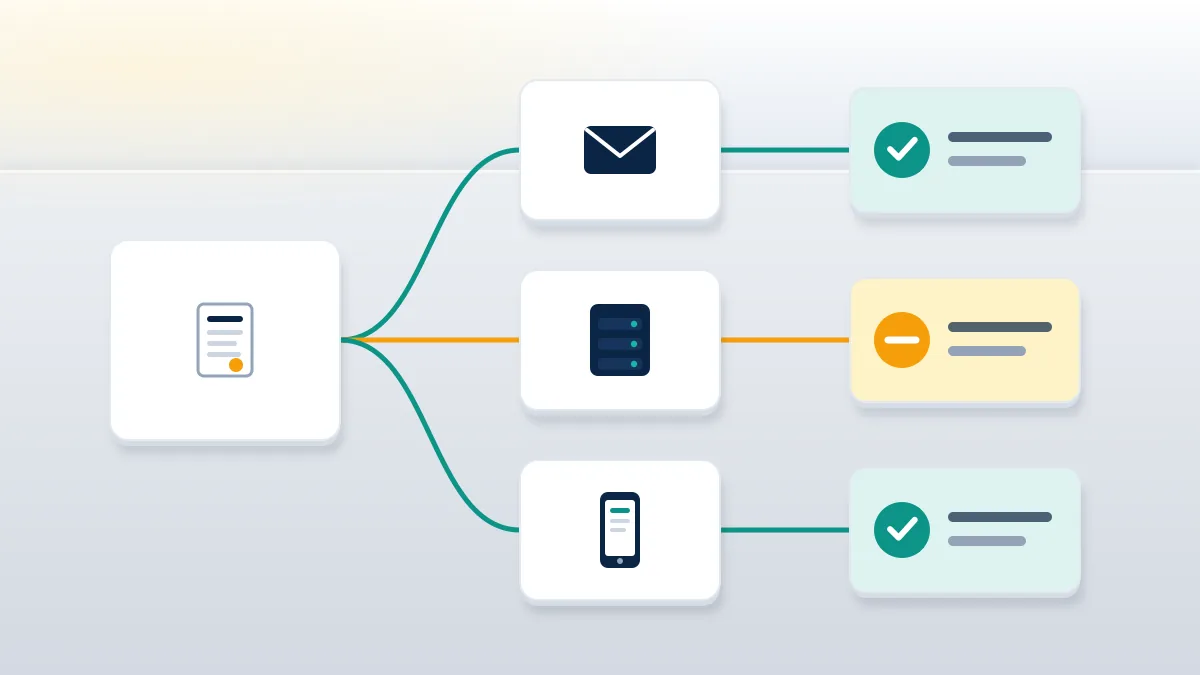
Before any of those rungs, Your Reputation Solution asks for the same evidence set: full URLs, dated screenshots, the exact false sentence, and the record that disproves it.
Silence isn't always removal. Searching account deactivated instagram explains why a hidden profile isn't a deleted one, and the steps for how to reactivate x account show how easily a poster can come back.
Abandoned accounts set a different trap. People ask "do facebook delete inactive accounts" hoping a post will age out, yet that wait can outlast your filing deadline.
Does asking the poster or site owner ever work?
Often, yes, when the author is identifiable and the falsehood is a mistake rather than a campaign. People hoping to take down defamatory blog posts should begin here, because a blog owner can delete or correct a sentence in a minute and no one else can do it faster. Write as if the message will be screenshotted, since it may be. Quote the false sentence once, attach the record that disproves it, and ask for one specific change: a deletion, a correction, or a dated note on the page. Threats belong in a later letter. Guest posts and comment threads add a second person to ask, so write to the editor or moderator as well as the author, and check the site's About and contact pages before reaching for a domain lookup. Personal attacks in the reply, or a screenshot of your request reposted with mockery, tell you this rung is finished. Keep every copy for the next one.

Confirm the named author really wrote it. Profiles that suddenly post out of character may be compromised, and x account hacked lists the signs that separate a hijacked login from a hostile owner.
When Your Reputation Solution drafts this first message, we keep it under 150 words, because a short request with one attached record is harder to mock than an angry page.
How do you get a defamatory website taken down through its host?
Go above the site owner to the company serving its pages, using a documented abuse notice. Learning how to get a defamatory website taken down mostly means finding the right inbox: ICANN Lookup names the registrar, and an IP lookup on the domain usually reveals the hosting company behind any privacy shield. Read that host's acceptable use policy, then send the URL, the false sentence, your evidence, and the clause you believe applies. Expect resistance in the United States, where 47 U.S.C. § 230(c)(1) means a host isn't treated as the publisher of its customer's words, so many abuse teams answer that they need a court order first. Britain differs. Under section 5 of the Defamation Act 2013, an operator loses its defence if you can't identify the poster, you served a notice of complaint, and it failed to respond as the regulations require. Registrars seldom touch content disputes.
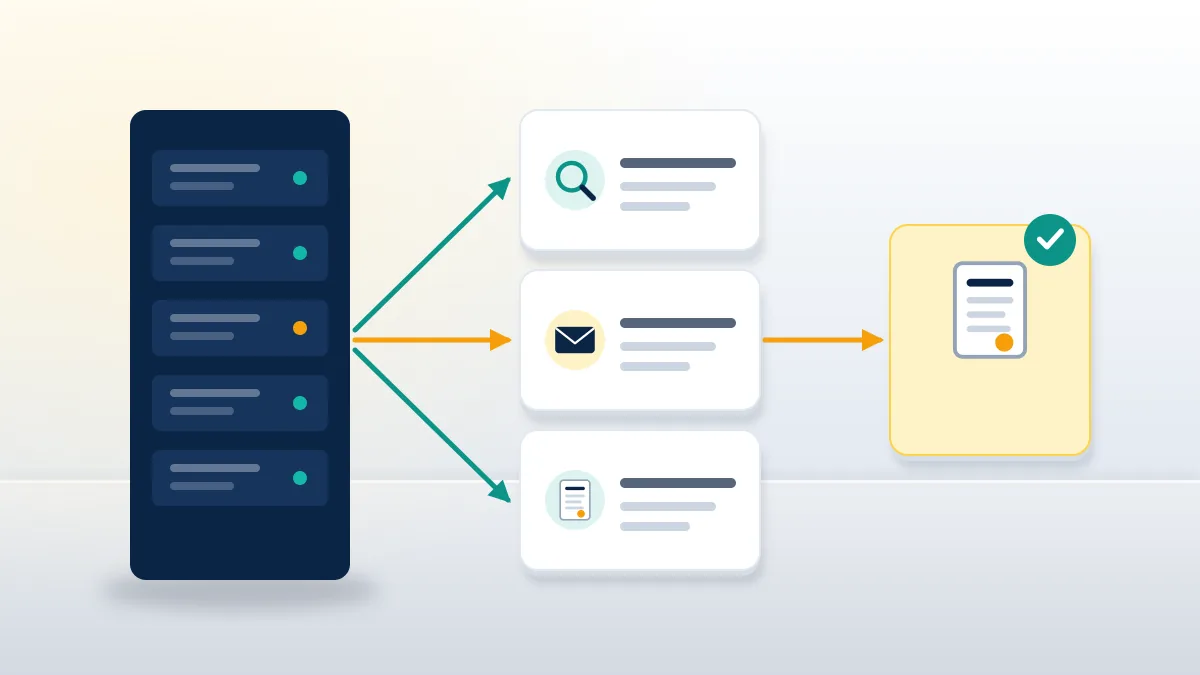
Hosts answer tickets the way big platforms do, through set channels and rarely by name. Readers who have tried to contact ig support or hunted for an ig support number knows the pattern, so log every ticket number and reply.
Inbox-only support has its own etiquette. Advice on emailing instagram support carries over to host abuse desks: one issue per message, the URL in the first line, and no attachments that a filter might drop.
What should a demand letter actually do?
It should name the false statement, show why it's false, and demand one specific remedy by a stated date. Attorney letterhead changes the recipient's calculation because it signals that a lawsuit is being priced, and some state retraction statutes make a timely request a condition for certain damages. On the letter itself, Your Reputation Solution can assemble the evidence, but a licensed attorney signs it, and the recipient, host or court makes the decision. Nobody is compelled to obey it. Two risks deserve a frank talk with counsel before sending. Letters get published, and a post with a few readers can draw thousands once the target looks like a bully. Several states also have anti-SLAPP laws, California's Code of Civil Procedure § 425.16 among them, which can make a losing plaintiff pay the defendant's attorney fees if a suit later targets protected speech. Written refusals still help, because they give a later judge a clean timeline.
Disputes also spill onto your own accounts. If your instagram account was disabled right after a fight, or you're asking why did instagram suspend my account, appeal that separately from the defamation claim.
Retaliatory reports leave lighter marks as well. Seeing an ig account locked screen, or needing to know how to reactivate ig account access, can follow a hostile reporting wave, so restore access before you need that profile to publish a reply.
When do you need a court order to remove content?
You need one when the author refuses or hides and the host won't act without a judge. Any court order to remove content starts with a suit against the author, sometimes filed against a "John Doe" so a subpoena can unmask an anonymous account; courts weigh that request against the poster's First Amendment rights. Don't expect to bind the platform directly in the US. In Hassell v. Bird (July 2, 2018), a closely divided California Supreme Court held that an order telling Yelp to remove reviews couldn't be enforced against Yelp because of Section 230. The judgment against the author is still the strongest paper you can get, since platforms often honor it voluntarily. Time matters more than most people expect: limitation periods run one to three years by state, and the clock generally starts at first posting. Hire a defamation lawyer early, because a missed deadline ends the whole route.

Plan for the months a suit takes. During them, Your Reputation Solution keeps the evidence file current and tracks where copies of the statement have spread, so the eventual order can list every URL.
Foreign wins travel badly. Congress's SPEECH Act bars US courts from enforcing a foreign defamation judgment unless it meets First Amendment standards and is consistent with Section 230. English courts, by contrast, can order a website operator to take a statement down after judgment under section 13 of the 2013 Act.
How do you remove defamatory content from Google?
You can't erase it from the web through Google; you can only ask Google to stop showing a specific URL. Google's own help says it "can only remove things from Google Search results," and the page still lives on its site. To remove defamatory content from Google, open the Report Content for Legal Reasons path in its Legal Help Center, flag the content in the product first where that's possible, give the exact URL rather than a home page, and explain what's unlawful and why. Expect an emailed confirmation with a reference number and possibly follow-up questions. Searches like "google remove defamatory content" and "remove defamatory content google" tend to imply a one-click form, and no such thing exists. Removing defamatory content from Google works far better with a judgment attached, because a reviewer can read a ruling faster than weigh your account against a stranger's. Before you try to remove slander from Google without one, fix the source page first.
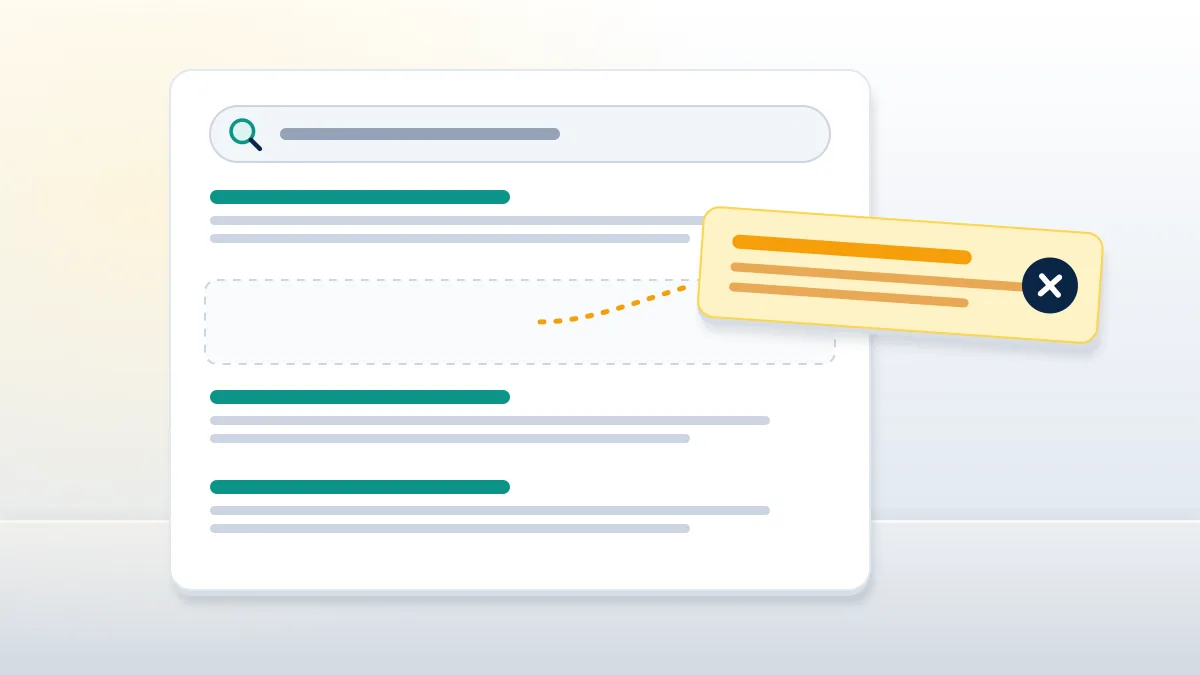
Forgers have made reviewers warier. One Manhattan businessman got nine months in prison for sending Google counterfeit orders with a federal judge's forged signature, and a CBS News investigation with Eugene Volokh found more than 60 fake orders sent to the company.
Phishing tends to follow public disputes too. Unexpected instagram password reset emails deserve a check before any click, and if the real flow fails, email reset password instagram explains the sender domains and fixes.
On any Google request, Your Reputation Solution checks a court document against the issuing court's docket before filing, because one forged order can cost a client the whole route.
Does the EU right to be forgotten reach false content?
Yes, when the inaccuracy is manifest and the person can show it. Delisting began with Google Spain (C-131/12) in 2014 and now sits in Article 17 of the GDPR, which also carves out freedom of expression. The ruling that matters most for false content is TU and RE v Google (C-460/20), decided by the Grand Chamber on December 8, 2022. Under it, the person asking must establish the manifest inaccuracy of the information, or of a part that isn't minor, but only with evidence that can reasonably be required of them. Google must then delist. Any court decision against the publisher finding the content at least prima facie inaccurate also triggers that duty, yet no prior court win is required, and Google has no obligation to investigate facts on its own. Reach stops at the border: Google v CNIL (C-507/17, 2019) found no EU-law duty to delist across all search versions.
This route belongs to people with a real EU connection, and it is decided under data-protection law, not defamation law, so a request should argue inaccuracy and not reputational injury. Google takes these through a separate personal-information request under European privacy law, not the general legal path.
How social and review platforms handle defamation
Each platform runs its own channel, and most treat false statements as a legal matter, not a community-rules one.
Before you spend on a lawyer, Your Reputation Solution can map which of these routes fits a false post, and it tells you when the honest answer is none. Get a route review.
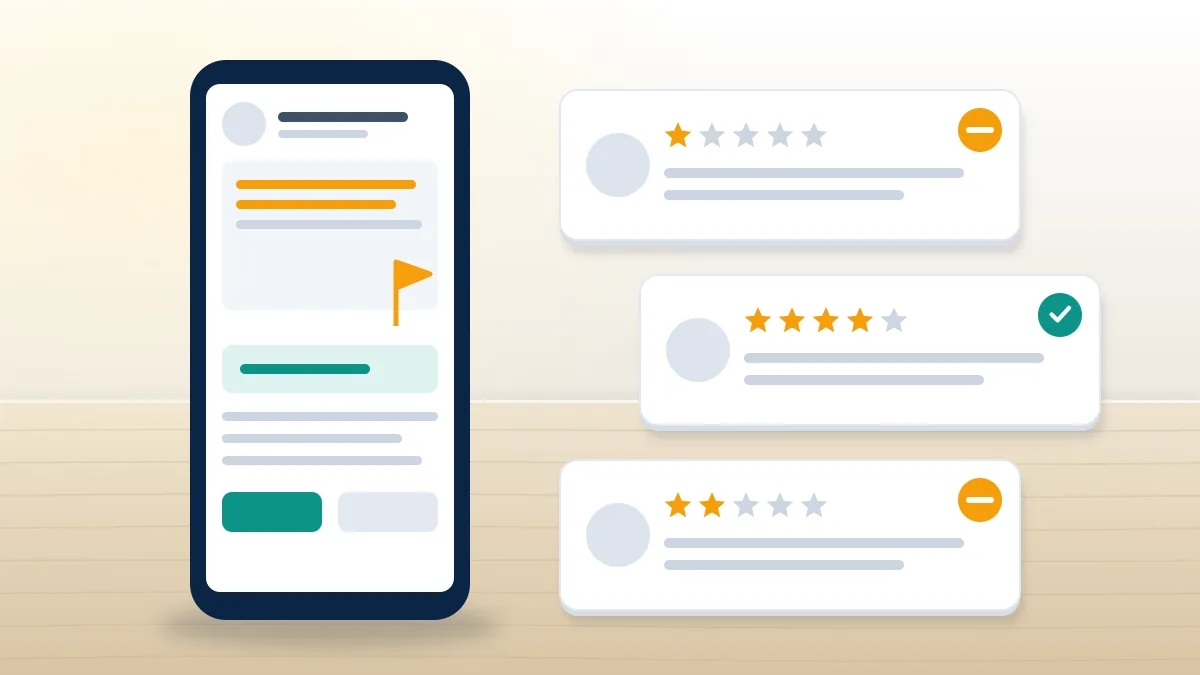
Working out how to remove defamatory content from Facebook shows the split well: a defamation form appears only in some countries, while US users generally meet a Section 230 notice, and the libel and slander guide for Facebook walks through that fork. YouTube accepts legal complaints, and its form passes your name to the uploader. Learning how to remove false defamatory Glassdoor reviews brings a different discovery: a 2015 Vorys client alert quotes the site calling content decisions "within our sole discretion," adding that it may defer to a court, so a ruling helps without forcing the outcome. Policies like these change, so read the current terms on the site itself before filing anything. Employers can also answer publicly from an employer account while the Glassdoor review route runs, which keeps readers from seeing silence as agreement.
Video is a separate queue. Check which grounds apply before asking how do you take down a youtube video. Sales gone wrong can start the whole dispute, so how to report a seller on facebook marketplace may solve the source.
Lookalike names often carry the lies. When an impostor holds your handle, ig username not available lays out the trademark and impersonation options, and an ig username check shows which variants are live.
TikTok has the same problem, so run a tik tok username checker on your brand before someone else claims the variant.
Refuse any broker pitch to settle it through an ig username buy, or through guides on how to get 4 letter username on instagram.
Keep your own presence running during the fight. Seeing a snap disabled notice or a shadowban check twitter result can look like censorship, but usually it's a routine limit worth fixing on its own terms.
What a reputation firm can't do for you
No honest firm can delete content it doesn't control. For its part, Your Reputation Solution will not forge or buy court orders, file false copyright notices to game a takedown, ask for your passwords, or promise a result it can't control. Any pitch to remove negative false and defamatory content from the internet for a flat fee deserves suspicion. Removal decisions belong to authors, hosts, judges and platforms; a firm can only prepare the request, choose the order, and follow up. Our disclaimer spells out those limits, and nothing on this page is legal advice. Copyright claims are only legitimate when you own the copied work, and misrepresentation under 17 U.S.C. § 512(f) carries liability. Suppression is the honest fallback when removal fails: publishing accurate pages so the false one drops lower, usually a 90 to 180 day effort, never a deletion. Someone who sells certainty is selling you the same kind of false statement you came here to fix.
Ask any vendor who signs the filing, and walk away if the answer is vague. With a live case, write down today's date and the date the post first appeared, then count the distance against your state's deadline. That single number decides how much of the ladder you can afford to climb slowly, and whether your first call goes to the author or to a lawyer.