
What does Turo review removal actually cover?
Turo review removal covers only reviews that break a listed rule, never reviews you simply disagree with.
Every completed trip opens a two-way review on Turo. Guests rate the vehicle and host with an overall score from one to five stars plus five sub-ratings for cleanliness, communication, convenience, listing accuracy and maintenance, and hosts may review the guest, although Turo does not require them to. Star ratings left without written text stay private and appear only in the host's Business dashboard, so the public problem is almost always the written review. Turo's help articles, last updated on September 4, 2026, say the company generally does not remove ratings and reviews, and that sentence sets the baseline for everything below. Removal is the exception, granted against a short checklist and judged by Turo alone, which is why the wording of your request matters more than how strongly you feel about the review.
Searchers phrase the question many ways, from "turo remove review" and "remove review turo" to "review removal turo" and "removing review turo", yet all of them end at the same rules and the same form.
Marketplaces treat feedback differently. eBay gives buyers several escalation paths, as our guide on how to report a bad seller on ebay shows, while Turo ties every review to one trip record.
Reporters also worry about being identified. YouTube answers is reporting a youtube video anonymous in its own way; a Turo removal request is a private submission, not a public flag.
Your Reputation Solution is an online reputation and account-recovery firm that helps hosts and guests read a review against Turo's criteria, assemble evidence and file the request in the right shape.
How long is the Turo review window, and can a review be edited?
Guests can review from three hours before a trip ends until ten days after, and nothing submitted can be edited later.
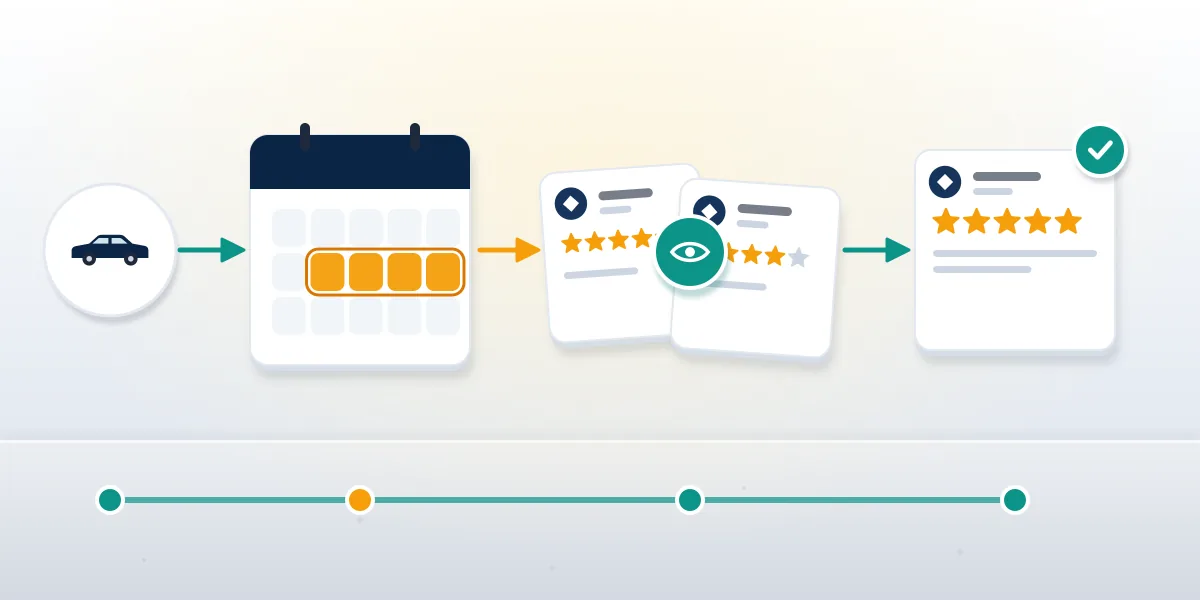
Turo's review window opens three hours before a trip's scheduled end and closes ten days after it, and Turo states that the window cannot be extended. Reviews are released together: when both people submit, Turo publishes both at the same time, and if only one side reviews, that review goes live once day ten passes. That blind release stops either party from writing a revenge review after reading the other one. Guests must add written text of at least 25 characters to any rating from one to four stars, while a five-star rating can stand alone, according to Turo's guest review guide. Once submitted, a rating or review cannot be edited by its author, and support cannot correct one either, not even a typo or a wrong star count. That leaves two ways to change what a published review says: a successful removal request or, for hosts, a public response underneath it.
Visibility questions follow quickly. Hosts who think their listing slipped in search sometimes borrow tools made for social apps, such as an x shadow ban check, but Turo ranks listings on its own signals.
Reviews also outlive their authors' activity. An instagram deactivated account hides its posts, whereas Turo's removal criteria list no exception for reviewers who later leave.
When Your Reputation Solution looks at a Turo case, the first check is the calendar and the wording: a review that arrived inside the ten-day window and contains no listed violation is not worth a form, and we say so before anyone files.
Turo review removal policy: which grounds qualify?
Reviews qualify only when they meet at least one of six criteria Turo publishes on its host and guest help pages.
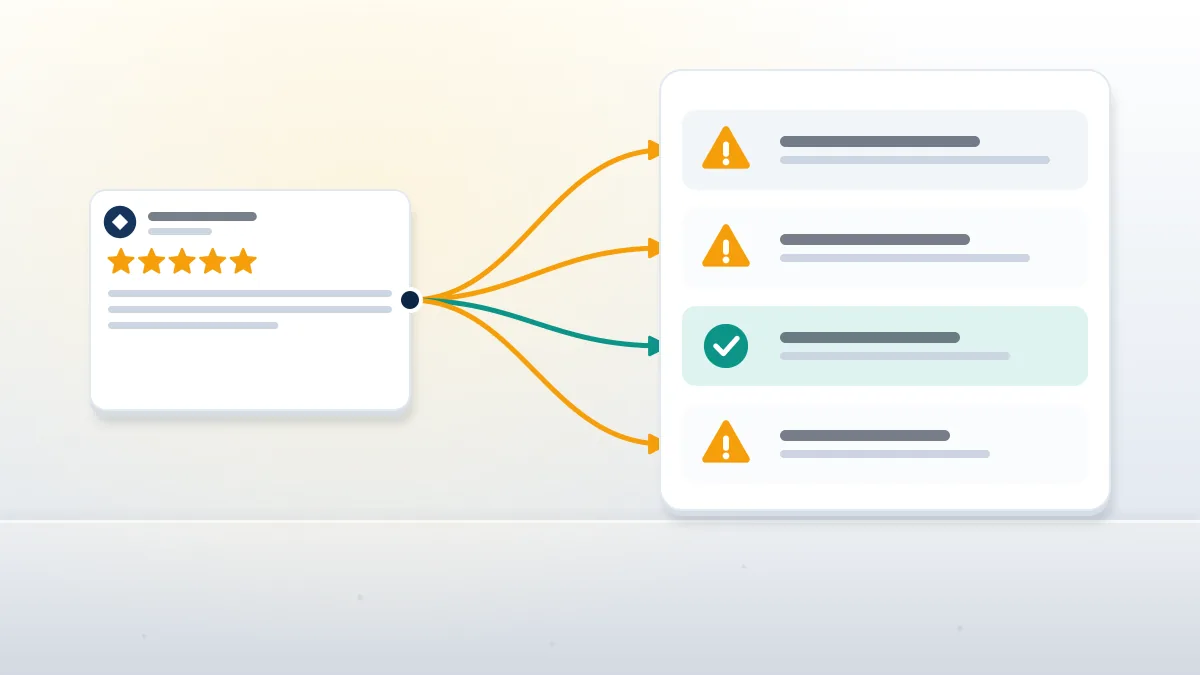
- A booked trip that never took place.
- Extortion, such as one star unless a fee is refunded.
- Profanity or vulgar language.
- An incentive: payment, extras or a discount.
- Personal information, such as an address, phone number or last name.
- Timeliness, worded as within 30 days of the trip's end.
In practice, the Turo review removal policy works as a checklist, not a verdict on fairness. Each criterion describes something you can show: a trip record with no actual rental, a message trail linking a demand to the rating, words that are profane on their face, an offer of money or perks for the review, or personal data printed in the text. Separately, Turo says it proactively removes reviews, ratings and host performance metrics tied to trips with a confirmed Terms of Service violation, which can help a host whose guest smoked in the car and then left one star. Automated reviews that Turo posts after a host cancels follow their own list: extenuating circumstances, a guest's cancelled or delayed flight, a cancellation the guest asked for, damage or a late return by the previous guest, and safety, harassment or urgent maintenance concerns. Any request outside those lists fails, however well it is written.
Other apps run their own privacy routes, such as the instagram content removal form or a youtube privacy violation report.
Trips that never happened sometimes trace back to a stolen login. Secure the account first, the way an instagram password reset link or a guide on how to recover a hacked youtube channel walks through it.
Once the facts are clear, Your Reputation Solution prepares the request, while Turo alone decides and calls each decision final.
On X, twitter x account recovery starts from the email and phone on file. Fix the login before any Turo request mentions it.
What Turo will not remove, even when a review feels wrong
Turo will not remove a review because you disagree with it, consider it unfair, or say it is untrue.
Turo's help pages say plainly that disagreements about what happened on a trip, and claims that a review is unfair or untrue, do not meet the removal criteria. Someone who writes that the car smelled of smoke, that pickup ran late or that the host was curt is describing an experience, and Turo does not referee those accounts. Hosts find that hard, because a single three-star review can pull down the share of five-star trips that badges and search placement depend on. Factual falsehood does not vanish from the picture, though; it moves to another forum. Statements that are provably false and damaging about a named person may support a defamation claim under state law, which a court decides, not Turo. Before choosing that route, weigh a lawyer's fees against the effect of one review among dozens, and keep dated screenshots in case the text disappears.

Other platforms split this problem across several forms. A youtube defamation complaint is separate from an instagram dmca report, because false statements and copied work are different legal wrongs.
Copyright and brand claims split the same way: a copyright claim on tiktok protects a creator's video, and the instagram trademark infringement form protects a business name, so neither fits a star rating.
Support channels are just as narrow. As with does x have human support, the answer at Turo is a form, not a phone queue, and even a twitter account recovery phone number search ends at a web form.
Instagram works the same way through its instagram help center appeal form. All of these routes reward a precise first submission.
For hosts running several cars, Your Reputation Solution maps which reviews justify a request and which are better answered in public.
How to use the Turo review removal form
Check the criteria, then file Turo's review removal request form; no other channel works.
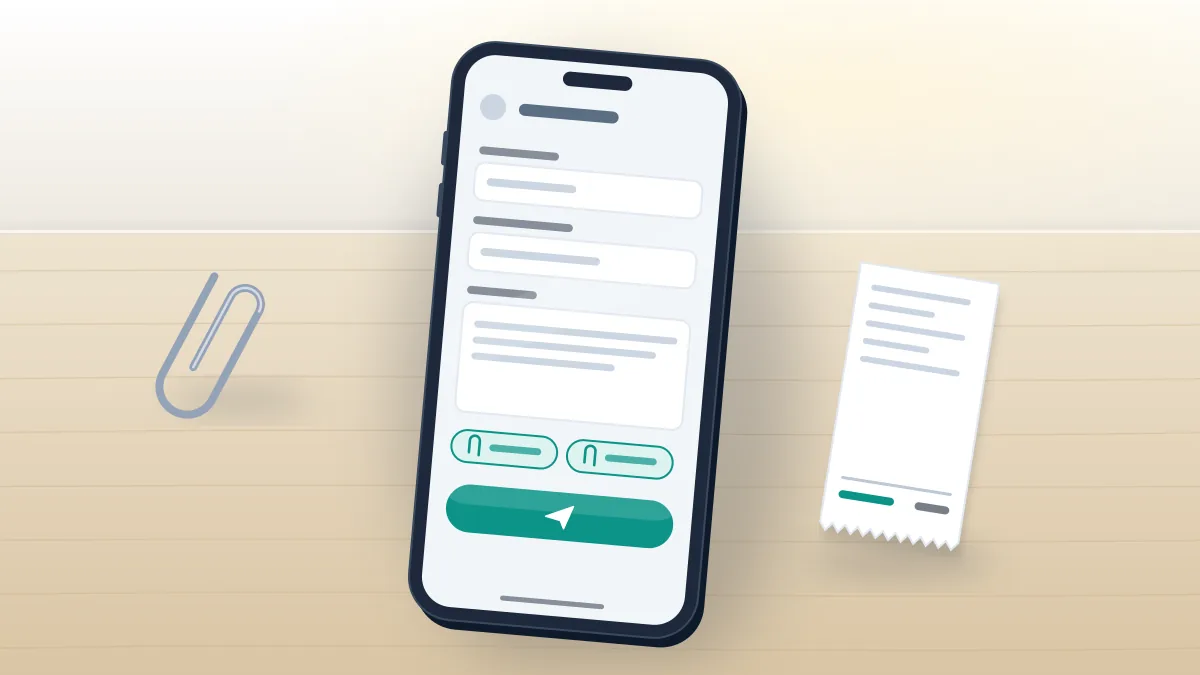
The Turo review removal form is the only route Turo accepts for these requests, and its help page rules out chat, phone and email. Each request is reviewed once, and Turo describes the outcome as final and made at its sole discretion, so a vague first submission spends the only attempt you get. Write the request as a short case file: name the criterion in the first line, quote the offending words exactly, and point to the proof, such as the in-app message where the guest asked for a refund in exchange for a better rating. Keep dispute messages inside Turo's own thread, because texts sent elsewhere are harder for Turo to verify. Requests that read like complaints about tone tend to fail, while one that maps facts to a listed rule gives the reviewer a clear yes.
Your request was denied: what still helps?
Hosts can post one public reply under a written review, and new five-star trips dilute one low rating.

When a removal request fails, a calm public response is the strongest tool a host has left. Replies are allowed only under written reviews, not bare star ratings, and the host response is public and cannot be edited once posted, so draft it offline first. Readers judge the reply as much as the complaint. Two or three sentences that acknowledge the issue, state the fact and describe what changed read better than a rebuttal. Leave out the guest's name and any personal detail, which could itself break the rules. After that, volume does the work. Listings with forty recent reviews absorb one three-star comment, while a new listing with five does not, which is why hosts who keep cars clean and replies quick see a bad review slide off the first screen as bookings accumulate.
Not sure whether a review meets Turo's criteria? Your Reputation Solution offers a free case review: send the review text and trip dates, and we will tell you which ground applies, if any, before you spend your one request.
Account problems need different tools from review problems. Guides on how to get back a deleted instagram account and how to fix telegram account banned deal with access, while a Turo review stays attached to its trip.
How do reviews affect hosts and guests on Turo?
Ratings feed host badges and search placement, while guest reviews shape whether hosts accept future booking requests.

Ratings weigh more on hosts than on guests because they feed Turo's host programmes. All-Star Host status depends on a high share of five-star trips, a low cancellation rate and a minimum number of completed trips, checked on a rolling basis, and the badge brings better search placement. Turo also tightened its standard for maintenance ratings in February 2025, according to its host news blog, so a run of low maintenance scores can lead to account action rather than only a weaker profile. For guests the effect is quieter. Each guest profile shows the reviews hosts left, and hosts can decline booking requests from guests whose history worries them, yet Turo publishes no rating floor for removing a guest. Nothing public says one critical review can end a guest account, so for guests a bad review is mostly a booking hurdle, and it is worth challenging only when it breaks a listed rule.
In host cases, Your Reputation Solution reviews the full ratings history before any request, because a badge reflects many trips, not one review.
If Turo does restrict an account, the experience resembles other apps. People who feel instagram suspended for no reason or who ask how to know if your instagram account is banned face the same gap between notice and explanation.
Temporary limits and closures differ: an instagram locked account usually reopens after verification, and you can reactivate your twitter account by logging in within its window.
Readers asking how long does an instagram ban last learn that prevention beats appeal. Clean cars and clear messages prevent most rating fights on Turo as well.
Paid review deletion offers, scams and the law
Nobody outside Turo can delete a Turo review, so a seller promising removal for a fee is selling something only Turo controls.

Paid review-deletion offers reach hosts when they feel most exposed, through direct messages, cold emails or social ads promising to make a one-star review disappear. Only Turo can remove a review, and only through its form, so an outside helper can at most help you write the request. Federal law also limits what businesses may do about reviews. Under the Consumer Review Fairness Act, contract terms that restrict honest reviews or penalise reviewers are banned, so a host cannot make guests promise not to post criticism. The FTC's rule on fake reviews, announced on August 14, 2024 and in force since October 21, 2024, bans buying fake reviews and suppressing honest ones through threats or intimidation, and in December 2025 the agency sent warning letters to ten companies. Paying a guest to delete a review, or offering a refund for a better one, falls inside that ban and also hands Turo its own incentive ground.
Your Reputation Solution will not pay a reviewer, file a request that misstates the facts, or promise that Turo removes anything. We never ask for your Turo password; read what this service will not do before hiring anyone.
Scammers reuse one playbook across apps. Our guide on why do scammers use telegram explains the move to private chats, and you can report phishing to instagram when the pitch arrives there.